Paid Traffic for Small Businesses: 2026 Guide
Small budgets can still sell: what really works in paid traffic for SMEs, without burning money on empty promises.
by Cleverson Gouvêa
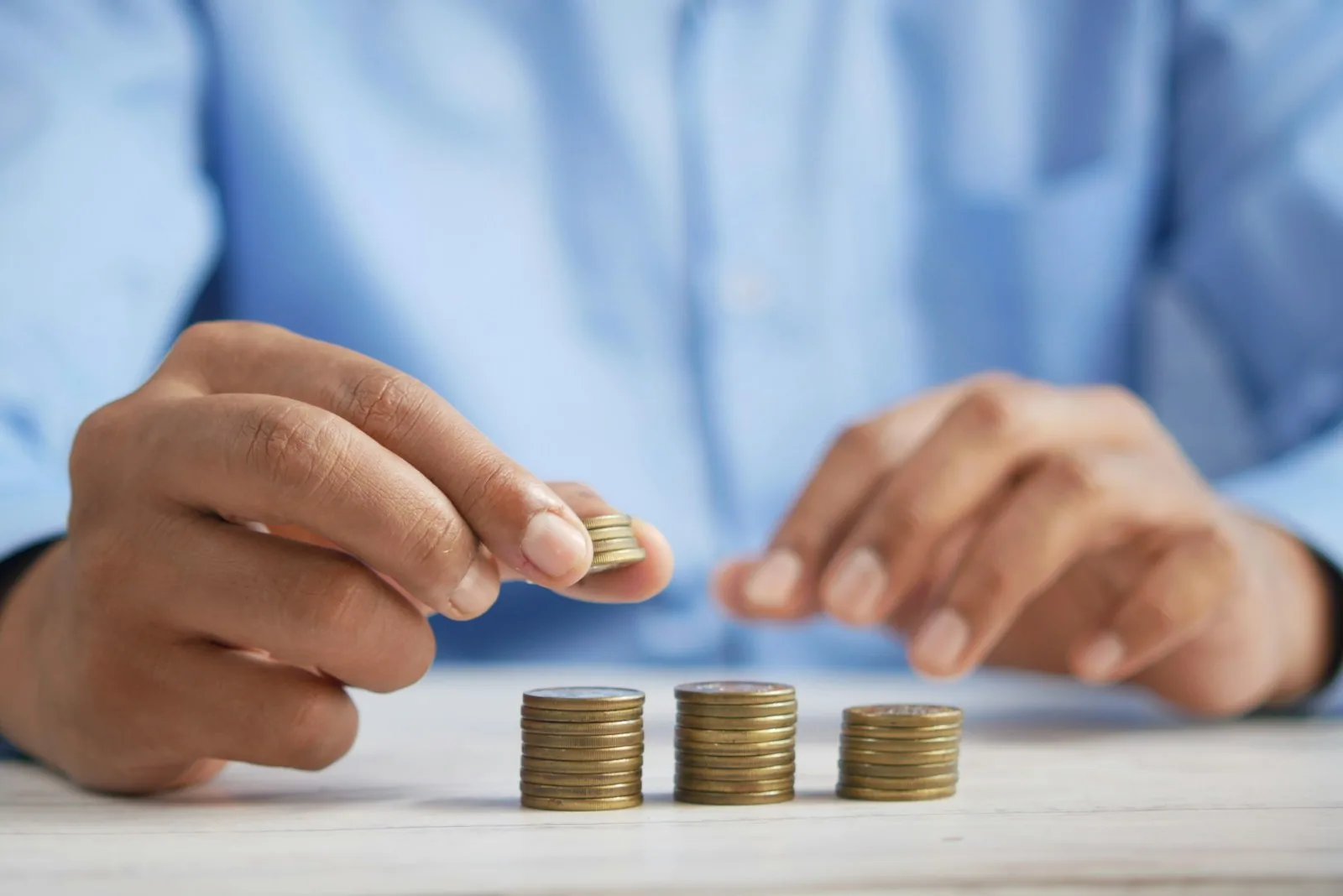
Paid traffic for small businesses is no longer a luxury for big brands: today it's the fastest way to put a product in front of someone who is already looking for it. In over 15 years managing campaigns at Agathas Web, I've seen a budget of R$ 600 per month outperform poorly spent five-figure budgets. In this guide, I'll show you, without beating around the bush, what works — and what just burns money.
TL;DR
- Paid traffic is advertising you pay for to appear on Google, Instagram, Facebook, or YouTube — results come in days, not months.
- For a small business, start with one platform only (Google or Meta), focus, and a budget you can sustain for 90 days.
- The money doesn't disappear on the click: it disappears when you lack tracking, landing page, and customer service ready to receive the lead.
- According to Google's Economic Impact Report, in 2024 Google's platforms generated over R$ 215 billion for the Brazilian economy — a good part of that is advertiser returns.
- Don't invest if you don't yet know how much a customer is worth to your business. That number decides everything.
What is paid traffic (and why it matters for an SME)
Paid traffic is every visitor who comes to your website, profile, or WhatsApp because you paid for that ad space. It's the opposite of organic traffic, which comes for free through Google's natural search or a viral post. The practical difference is time: organic takes months to mature; paid delivers qualified visits on the same day the campaign goes live.
For a small business, this changes the game. You don't have to wait a year building domain authority to start selling. With paid traffic for small businesses, you can test an offer on a Tuesday and know by Friday if it has real demand. This speed of learning is as valuable as the sales themselves.
The other reason is predictability. When you know that every R$ 100 invested brings, on average, two customers, growth becomes a lever you control. It's the difference between hoping the phone rings and turning on the lead faucet when you need it.
Paid traffic vs. organic traffic: when to use each
The right question isn't which is better, but which solves your problem now. Organic traffic is an asset: it takes time to build, but then works for free for years. Paid traffic is rent: it works while you pay, and stops the moment the card is declined.
In practice, I recommend running both together, but with different roles. Paid solves the short term and funds the cash flow; organic (SEO, content, social media) builds the long term and reduces your acquisition cost over time. A business that lives only on ads becomes hostage to the platform; a business that only bets on organic takes too long to pay the bills.
A warning sign: if your margin can't support paying for each visit, the problem isn't the traffic — it's the offer or the price. Ads amplify what already exists. If your conversion rate is zero, paying for more visits will only multiply the loss faster.
Google Ads or Meta Ads: where should a small business start
This is the most common question when I take on a new client. The answer depends on one thing: is the person already looking for what you sell, or don't they even know they need it yet?
With Google Ads, you capture existing demand — someone types "notebook repair in Goiânia" and you appear. The intent is very high, the cost per click tends to be higher, but the lead arrives hot. With Meta Ads (Instagram and Facebook), you generate demand — you interrupt someone in their feed with an offer they weren't looking for. The click is cheaper, the volume is higher, but the lead needs more warming up.
| Criteria | Google Ads | Meta Ads (Instagram/Facebook) |
|---|---|---|
| Type of demand | Captures those already searching | Creates interest in those not searching |
| Lead intent | High | Medium |
| Cost per click | Higher | Lower |
| Best for | Services, urgency, B2B | Visual products, retail, discovery |
| Learning curve | Keywords and bidding | Creative and targeting |
If your business solves a pain that people actively search for (lawyer, plumber, technical course), start with Google. If you sell something visual or aspirational (fashion, gastronomy, aesthetics), start with Meta. Mastering one platform at a time yields much more than splitting a small budget between the two and learning neither.
How much to invest in paid traffic for small businesses at the start
There's no magic number, but there is a logical floor. The budget needs to be large enough to generate data — below that, you pay to learn nothing. In my experience, the minimum viable in Brazil today is around R$ 30 to R$ 50 per day per campaign. With less than that, the algorithm doesn't leave the learning phase and delivery becomes erratic.
But the right amount doesn't come from your pocket, but from your math. Before launching any campaign, answer three questions:
- How much is a customer worth to you? (average ticket × how many times they buy)
- How many leads become customers? (your closing rate)
- How much can you pay per lead without losing money?
With these three numbers, the budget resolves itself. If a customer is worth R$ 800 and you close 1 out of every 5 leads, you can pay up to R$ 160 per lead and still profit. For market reference, WordStream pointed out in 2025 an average cost per lead of about US$ 70 on Google Ads — a number that varies greatly by industry, but serves as a thermometer.
My practical advice: set aside a budget you can sustain for 90 days without depending on immediate returns. Paid traffic is test, adjust, and scale — and that takes weeks, not hours.
The 5 mistakes that burn the most budget
After auditing dozens of accounts, I realized that the money almost never disappears because of the platform. It disappears because of avoidable decisions. These are the mistakes I see most:
- Sending traffic to the website's homepage. The homepage talks about everything and converts nothing. Each campaign needs a specific landing page for that offer.
- Turning off the campaign too early. The first three days are the algorithm's learning phase. Those who pause on the second day never see the campaign stabilize.
- Not installing tracking. Without pixel and conversion setup, you're driving in the dark — you pay, but don't know what worked.
- Targeting too broad (or too narrow). Huge audience wastes budget; tiny audience never leaves learning. The sweet spot comes from testing.
- Forgetting what happens after the click. The lead arrives on WhatsApp and no one responds within two hours. The campaign was great; the customer service threw the money away.
None of these mistakes are too technical to fix. But they all cost dearly while they go unnoticed.
How to measure what matters: from click to customer
Paid traffic without measurement is faith, not strategy. The metric that matters is not likes or clicks — it's cost per acquisition (how much you paid to actually win a customer) and return on ad spend (ROAS). Everything else is vanity.
The problem is that measuring correctly has become harder. With cookie restrictions and browser privacy, tracking only through the browser pixel loses events. The solution we implement for Agathas Web clients is server-side measurement — Meta's Conversions API (CAPI) and Google's server-side tracking. Instead of relying only on the browser, the server itself confirms the conversion redundantly, recovering data that was lost.
In practice, this means the algorithm receives a cleaner signal of who actually bought — and optimizes to bring more similar people. It's behind-the-scenes work that rarely appears in the client's report, but it separates the campaign that scales from the one that stalls. If you're not measuring conversion on the server in 2026, you're leaving delivery on the table.
What happens after the click: page and customer service
The most expensive mistake I see isn't in the campaign — it's in what comes after. You can have the best ad in the market, but if the page takes too long to load or the lead who arrives on WhatsApp waits half an hour for a response, the money has evaporated.
The landing page has one job: continue the ad's promise and make the action easy. Fast loading, a clear offer, a single button. Anything that distracts reduces conversion. And customer service needs to be equally fast — paid traffic leads have a short shelf life because they've clicked on more ads besides yours.
This is where automation comes in. For clients who receive high volumes of leads via WhatsApp, we use Voyia, our customer service solution that qualifies the contact the moment it arrives, without leaving anyone waiting. When paid traffic is fueled by AI agents that respond 24/7, the midnight lead is served with the same agility as the 10 AM lead. An ad that generates contact and service that responds immediately: it's this duo that turns budget into customers.
When NOT to invest in paid traffic
Not every business is ready to advertise, and telling a client that is part of my job. Don't invest if you don't yet know how much a customer is worth — without that number, you have no way of knowing if you're winning or losing. Don't invest if your offer has never sold organically; ads don't fix a bad offer, they just accelerate the realization.
I also don't recommend starting if you don't have the stamina to sustain the budget for at least three months. Paid traffic in on-off mode doesn't learn, doesn't optimize, and doesn't scale — it's just expense. And if your customer service already can't handle what comes in today, fix the bottleneck before opening the tap. There's no point paying for more leads that will die in the queue.
Recognizing these signs saves thousands of dollars. The best investment, sometimes, is the one you postpone until you're ready.
Conclusion: paid traffic is a lever, not a miracle
Paid traffic for small businesses works — I see it working every month. But it works as a lever: it amplifies what is already in place. Clear offer, fast page, server-side tracking, and agile customer service. When these pieces are in place, every dollar invested returns multiplied. When they are missing, no brilliant creative saves the account.
If you want to take this step without burning budget on the learning curve, that's exactly the kind of work we do at Agathas Web — from campaign strategy to server-side measurement and customer service automation. Talk to our team and find out how much your budget can yield when every step is fine-tuned.
Related posts

Marketing Agency Finance: Your Day-by-Day Monthly Routine
Contracts, electronic invoicing, billing, payment reminders, tax compliance, and cash flow: your agency's financial month, day by day, and where operational hours can vanish.
Ad Manager Tools: The Essential Stack for 2026
Scheduler, data connector, CRM, billing, and spreadsheets: what a fragmented stack truly costs and when an agency ERP pays for itself based on client portfolio.
Driving Better Leads: Google Ads Offline Conversions & Meta API for Agencies
Learn how to feed qualified leads back to Google and Meta, understanding real-world deadlines, agency workflows, and common pitfalls that degrade your data signal.