Google Ads 2026: Everything That Changed at Google Marketing Live
Google Marketing Live 2026 unveiled Ask Advisor, Veo in Asset Studio, and ads in AI Mode. Learn how Google Ads 2026 changes campaigns in the US.
by Cleverson Gouvêa
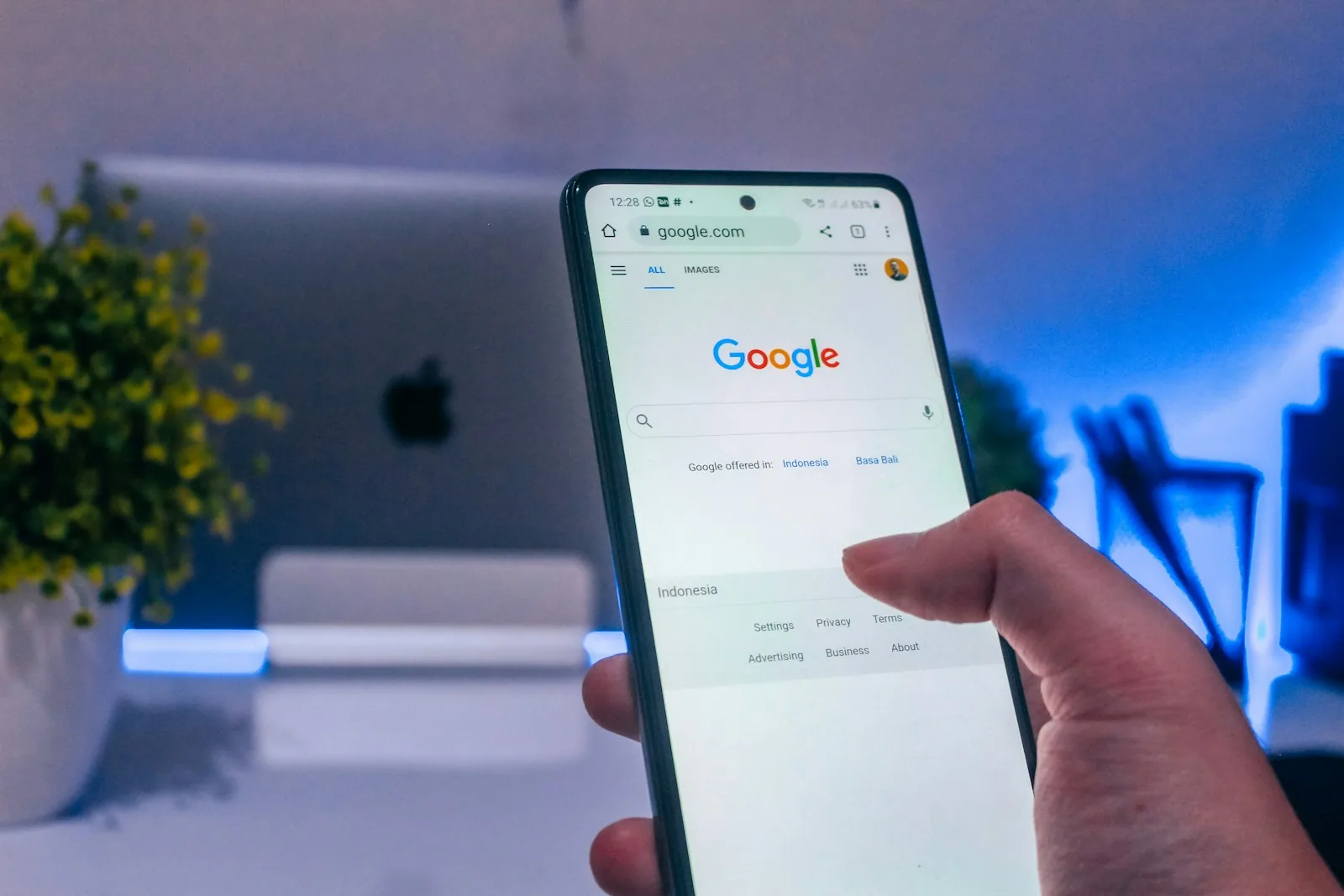
Google Ads 2026 is undergoing the biggest transformation in its history. On May 20, 2026, Google held Google Marketing Live 2026 and presented a set of changes that put generative AI at the center of every campaign — from creative creation to autonomous budget management.
TL;DR
- Ask Advisor is the new Gemini copilot that unifies Google Ads, Analytics, and Merchant Center in a conversational interface
- Veo generates videos from static images directly in Asset Studio, solving the creative bottleneck in Performance Max
- Google Search's AI Mode gains two exclusive ad formats: Conversational Discovery and Highlighted Answers
- AI Brief allows guiding campaigns with natural language instead of manual settings
- Automatic YouTube linking to Google Ads starts on June 10, 2026 — urgent action needed for those who don't want it
What Was Google Marketing Live 2026
Google Marketing Live (GML) is the annual event where Google announces the main news for its advertising platform. In 2026, the edition took place on May 20 with an unmistakable central theme: Gemini as the operating system of Google Ads 2026.
In previous years, each tool evolved relatively independently — Performance Max here, Smart Bidding there. GML 2026 was different. Google presented a unified vision: generative AI connecting creatives, targeting, measurement, and optimization in a single integrated ecosystem.
Google Ads 2026, in this context, is no longer just a bidding and creative tool but has become a unified AI platform where the manager defines the strategy and the model executes.
The event came right after Google I/O 2026, which focused on the development layer. GML took the same Gemini engine and translated it into paid campaigns — showing in practice what was being built at the technical level.
Ask Advisor — the AI Copilot for Advertisers
The most strategic new feature of the event was Ask Advisor. It is a Gemini-powered collaborator that connects, for the first time in a unified interface, Google Ads, Google Analytics, Merchant Center, and Google Marketing Platform.
In practice, Ask Advisor works as a conversational assistant that:
- Creates campaigns from objectives described in natural language
- Identifies performance anomalies by cross-referencing data across platforms
- Presents contextual recommendations — if a campaign dropped, it checks Analytics first before suggesting a bid adjustment
- Summarizes trends and connects what happened in one product to what is happening in another
- Executes actions directly: launches campaigns, generates assets, flags optimization opportunities
The critical differentiator is context retention between sessions. Unlike a generic chatbot, Ask Advisor remembers previous conversations and can act — not just recommend. For those managing accounts with multiple products and channels, this represents real time savings: instead of opening three tabs and manually exporting data, you ask and the system cross-references the information.
In Google Ads 2026, Ask Advisor is the entry point for those who want to operate with cross-platform analysis. It is rolling out gradually: advertisers in the United States already have access; in other markets, arrival is expected in the second half of 2026.
Veo and Asset Studio — Video Creatives with Generative AI
Asset Studio — the creative asset hub within Google Ads — received a significant update. Google integrated Veo (a video generation model developed by DeepMind) and Gemini Omni into the tool, creating a complete creative production pipeline without leaving the platform.
What Veo Does in Google Ads 2026
With Veo integrated into Asset Studio, advertisers can generate high-quality video variations from:
- Existing static images — product photos turn into 6- to 15-second videos
- Text prompts — describe the scene, product, and tone; the model generates the video automatically
- Image + text combination — the most used flow in e-commerce
This has a direct impact on Performance Max. Campaigns with low Ad Strength due to lack of videos — a recurring bottleneck many managers know well — now have this block resolved without hiring a production company or manually editing video.
In addition to Veo, two additional changes arrived in Performance Max: the video limit per asset group increased to 15 videos per group, and the platform now accepts images in 9:16 portrait format to better reach audiences on YouTube Shorts.
1-Click Creative Testing
Alongside Veo, Google launched 1-Click Creative Testing: automated A/B tests for campaign assets. You generate variations, and the system automatically distributes them, identifies the winner, and applies the result without manual intervention. Historically, creative testing in Google Ads required manual setup and a significant volume of impressions for statistical significance. The new system automates this cycle entirely.
YouTube Creator Partnerships — Influencer Creatives in Campaigns
One of the most practical changes in Google Ads 2026 for Demand Gen campaigns was the integration of Creator Partnerships directly into the setup flow.
When setting up a Demand Gen campaign, the platform automatically surfaces videos from creators who have already mentioned or used your brand — including affiliate partnership videos. You add this content to the campaign without leaving the Google Ads interface.
Google's data shows concrete results:
- +20% conversion lift on average when adding creator assets to Demand Gen campaigns
- +30% conversion lift specifically in campaigns served on YouTube Shorts
The logic is straightforward: videos with real people and organic context tend to perform better than studio-produced videos, especially in vertical format. The new feature eliminates the friction of finding, negotiating, and importing this content manually — which previously required leaving the platform and working externally.
AI Mode — New Ad Formats in Google Search
Google Search's AI Mode — which progressively replaces traditional search with Gemini-generated answers — gained two exclusive ad formats. AI Mode is now one of the main vectors of change in Google Ads 2026, and those who don't prepare now will miss inventory when the formats open globally.
Conversational Discovery Ads
When a user makes a conversational search in AI Mode, Conversational Discovery Ads return a creative specifically tailored to the intent of that query, accompanied by an explanatory text generated by Gemini about the product or service. Each impression can be different — contextualized for the user's exact question, not a predefined generic keyword.
Highlighted Answers
The second format — Highlighted Answers — positions high-quality ads as recommendations within AI Mode's list responses. When Gemini returns a list of options ("best traffic management tools"), eligible ads can appear integrated into the response as a recommendation.
Both formats are in closed testing. The potential impact is high: AI Mode grows in search volume every month. Those without eligible ads for these formats will be left out of this inventory when it opens.
AI Max and AI Brief — Campaigns with Natural Language
AI Max for Search Campaigns has been available since early 2026 and already shows measurable results: advertisers who activate AI Max in search campaigns see an average of 14% more conversions with similar CPA/ROAS, according to data published by Google.
AI Max is an advanced intelligence layer that expands search term matching beyond configured keywords, personalizes headlines and descriptions by search context, and automatically optimizes the destination URL to the most relevant page on the site.
AI Brief — Guide Performance Max with Text
AI Brief is the most relevant evolution for paid traffic managers in Google Ads 2026: instead of manually configuring every campaign parameter, you write a description of your brand in natural language.
The brief can include:
- What to communicate and what to avoid in creatives
- Which audiences to prioritize at this stage
- What tone to use in the ads (formal, casual, technical)
- Which products or services to highlight during the period
AI Brief was first announced for AI Max and is expected to arrive in Performance Max throughout the second half of 2026. The logic is to reverse the flow: instead of translating your marketing strategy into technical platform settings, you describe the strategy and the AI configures it.
For experienced managers, this represents a shift in where professional value lies — from technical mastery of the tool to the quality of the brief and strategy you deliver to the AI.
Business Agent for Leads — Conversational Lead Generation
For service companies — clinics, law firms, agencies, distance education institutions — Google announced Business Agent for Leads. The goal is to replace static forms with a conversational experience before contact.
Instead of clicking an ad and filling out a five-field form, the user starts a conversation with an AI agent that:
- Understands what they are looking for with precision
- Clarifies questions about the service before contact
- Refines intent before requesting contact information
The expected result is a more qualified lead — one that has already passed through a conversational filter before entering the CRM. Business Agent for Leads is in closed testing focused on service sectors and is expected to have broader access in the second half of 2026.
Summary of Key Google Ads 2026 Updates
| Feature | Status (May 2026) | Primary Impact |
|---|---|---|
| Ask Advisor | Rollout US; Other H2/2026 | Unified Ads + Analytics analysis |
| Veo in Asset Studio | Available (English) | Video generation without production company |
| 1-Click Creative Testing | Globally available | Automated A/B creative testing |
| Creator Partnerships (Demand Gen) | Globally available | +20% average conversion lift |
| Conversational Discovery Ads | Closed testing | Contextual ads in AI Mode |
| Highlighted Answers | Closed testing | Ads in AI Mode lists |
| AI Brief (AI Max) | Available in AI Max | Natural language configuration |
| AI Max for Search | Globally available | +14% conversions with similar CPA |
| Business Agent for Leads | In testing (services) | Pre-qualified leads via AI |
| Auto-link YouTube | Automatic after Jun 10, 2026 | Organic metrics visible in Ads |
| Performance Max: 15 videos + 9:16 | Globally available | More creatives per asset group |
Automatic YouTube Linking to Google Ads
An operational change that may go unnoticed — but has real impact — is the automatic linking of YouTube channels to Google Ads accounts starting June 10, 2026. Google will do this automatically unless the advertiser disables the option before that date.
The linking unlocks important features:
- Organic video metrics visible within Google Ads
- Creation of audience segments based on previous viewers
- Ability to count subscriptions and organic engagement as conversions
For those who already have an active channel with relevant audience, this is a direct opportunity to enrich paid campaign targeting with organic data. For those who prefer to keep this data separate — or don't want organic performance to influence campaign analysis — action is needed before June 10.
What Changes for Advertisers in the US
Most features from Google Marketing Live 2026 are rolling out in the United States first. Other markets typically receive updates with a 3 to 6 month lag — meaning the second half of 2026 will be a dense period of changes arriving at the same time.
What you can and should do now, regardless of location:
- Check YouTube linking before June 10 — it's the only action with a set date and immediate impact
- Activate AI Max on existing search campaigns — it's already available globally and shows +14% conversions with similar CPA
- Audit Ad Strength of Performance Max campaigns — map which groups will need new videos when Veo arrives in your market
- Explore Creator Partnerships if you run Demand Gen — available globally now, no need to wait for localization
- Monitor AI Mode — even without specific ads in your market yet, AI Mode already affects organic impressions and will soon affect paid inventory
For those using paid traffic as part of a broader automation and AI strategy, Google Marketing Live 2026 is a clear signal: the differentiator will no longer be in technical campaign configuration, but in the quality of the strategy and data you feed into the AI.
Conclusion: Prepare Your Account for Google Ads 2026
Google Marketing Live 2026 marked the beginning of a new phase for Google Ads. Not because each feature is revolutionary in isolation — many evolve what already existed. But because, together, they form a system where AI progressively takes over operational tasks: video creation, A/B testing, cross-platform data analysis, campaign configuration, lead qualification.
The role of the paid traffic manager changes with Google Ads 2026. Professional value now lies in knowing what to ask the AI, how to evaluate results, and when to intervene — not in mastering every technical configuration of the platform.
Those who adapt their way of working now will have an advantage. Those who resist will realize, in the second half of 2026, that competitors are already operating on a different platform — with AI-generated creatives, brief-guided campaigns, and pre-qualified leads arriving.
Need help adapting your campaigns to the new Google Ads? Talk to the Agathas Web team — we manage paid traffic and can help your company get the most out of these changes.
Related posts

Marketing Agency Finance: Your Day-by-Day Monthly Routine
Contracts, electronic invoicing, billing, payment reminders, tax compliance, and cash flow: your agency's financial month, day by day, and where operational hours can vanish.
Ad Manager Tools: The Essential Stack for 2026
Scheduler, data connector, CRM, billing, and spreadsheets: what a fragmented stack truly costs and when an agency ERP pays for itself based on client portfolio.
Driving Better Leads: Google Ads Offline Conversions & Meta API for Agencies
Learn how to feed qualified leads back to Google and Meta, understanding real-world deadlines, agency workflows, and common pitfalls that degrade your data signal.